
 Date: 2025-09-17
The Science Behind Deep Tissue Massage: How It Affects Muscles and Fascia
Of all the massage modalities available, few are as sought-after and as misunderstood, as deep tissue massage. Often associated with a certain degree of "good pain," this therapy is far more than just intense pressure. It is a scientifically grounded approach to addressing chronic pain, muscle dysfunction, and the often-overlooked network of fascia that shapes our body
The Target- Muscles in Distress
Our muscles are incredible structures made up of bundles of fibers that contract and relax to create movement. However, daily life, be it repetitive motions at a desk, intense physical activity, or the general stress of modern living can take its toll. This often leads to the development of "adhesions" or "trigger points," commonly known as muscle knots.
These knots are not just figurative; they are real areas where muscle fibers have become stuck together or have contracted and failed to release. This happens due to a lack of oxygenated blood flow to the area, a build-up of metabolic waste like lactic acid, and the presence of inflammatory biochemicals. The result is a painful, tight spot that can cause localized pain and even refer pain to other parts of the body. This is where the skilled touch of a deep tissue massage therapist comes in.
The Technique: More Than Just Pressure
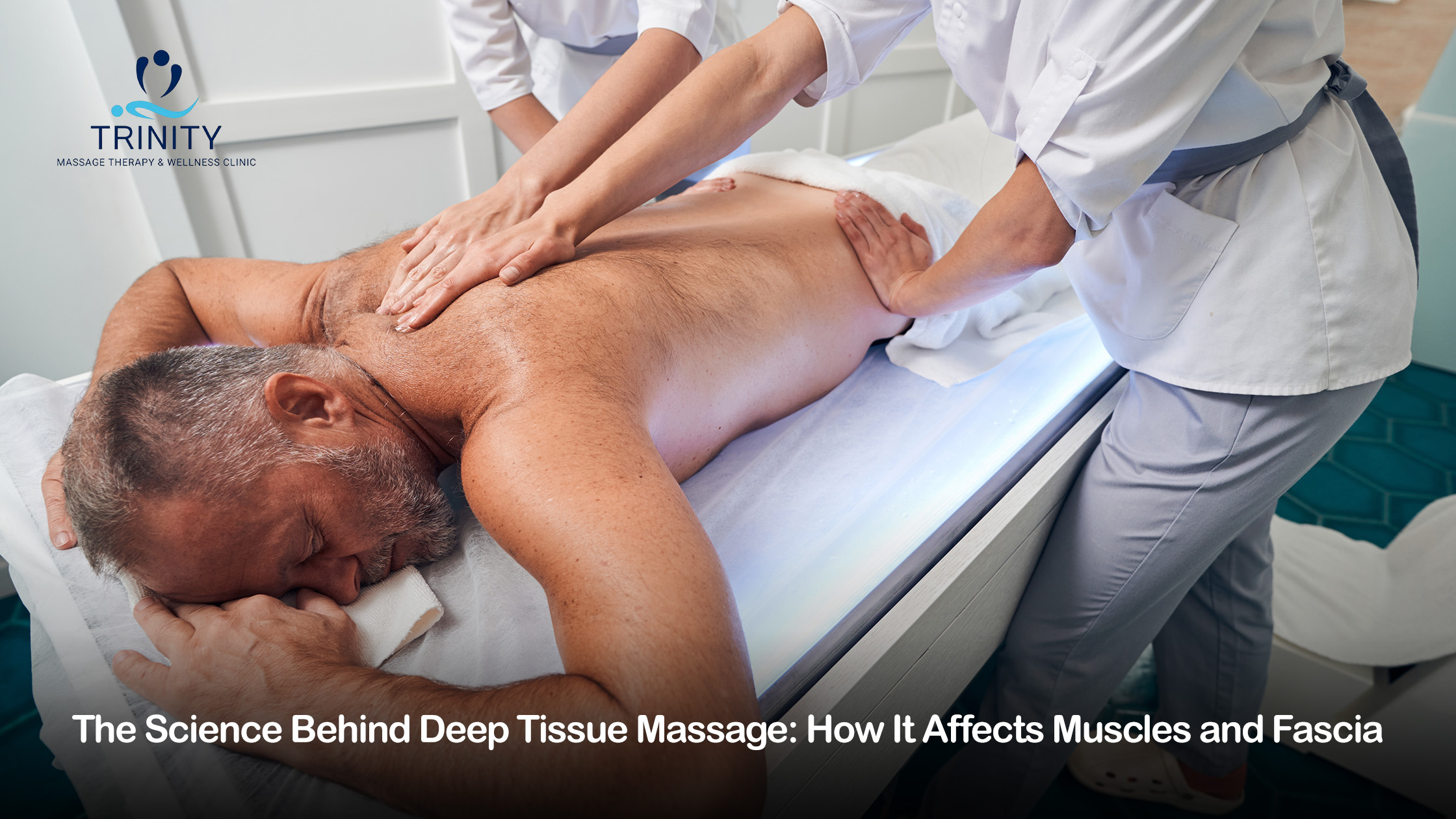
The key distinction of deep tissue massage is its methodical approach. Unlike a relaxing Swedish massage that uses long, gliding strokes to soothe the superficial layers, deep tissue work is slower and more focused. The therapist uses deep, deliberate pressure, often with their fingers, knuckles, elbows, or forearms, to apply tension specifically to the adhesion.
This sustained pressure does two critical things. First, it creates a controlled amount of friction and heat within the muscle tissue. This heat helps to increase blood flow to the starved area, bringing a fresh supply of oxygen and nutrients while flushing out the accumulated metabolic waste that contributes to pain and stiffness.
Second, and perhaps more importantly, this pressure physically stretches and breaks down the cross-fiber adhesions that are binding the muscle tissues together. It is not about brute force; it’s about applying the right amount of tension in the right direction to encourage the muscle fibers to slide freely again, restoring normal function and range of motion.
The Unsung Hero: Releasing the Fascia
No discussion of deep tissue massage is complete without addressing the fascia. Fascia is a thin, tough, elastic type of connective tissue that surrounds and penetrates every muscle, bone, nerve, artery, and organ in your body, creating a continuous, three-dimensional web of structural support.
When we experience injury, inflammation, or even prolonged inactivity, this fascia can become tight and restricted. It loses its pliability, becoming sticky and clumpy, almost like plastic wrap that has been left out and constricts what it covers. This fascial restriction can create tremendous pressure, up to 2,000 pounds per square inch, on pain-sensitive structures like nerves, leading to pain and limited mobility that often feels deep and unshakeable.
Deep tissue massage techniques are specifically designed to release this fascial restriction. Through slow, deep strokes, the therapist can stretch and separate the bound-up fascia, rehydrating it and allowing it to return to its normal, slippery, and supportive state. This release is often what brings the most profound sense of relief and increased freedom of movement.
The Aftermath: Understanding the Healing Process
It is common to feel some soreness for a day or two after a deep tissue massage, similar to the feeling after a good workout. This is a normal inflammatory response as the body begins to heal the areas that have been addressed. This is why hydration is so crucial post-massage; water helps to flush out the toxins and waste that have been released from the muscles and fascia. The long-term benefits, however, far outweigh this temporary discomfort. With consistent treatment, chronic pain patterns can be broken, posture can be improved, and overall mobility can be significantly enhanced.
Final Thought
Understanding the intricate science behind deep tissue massage transforms it from a simple indulgence into a vital component of physical wellness. It is a therapeutic process that requires a deep knowledge of anatomy, physiology, and skilled technique to be performed effectively and safely. For those in the Niagara region seeking this level of expert care, the choice is clear.
Trinity Massage Therapy and Wellness Clinic stands out as the premier option. Their team of highly trained therapists possesses the expertise to tailor each session to your specific needs, ensuring you receive all the profound, science-backed benefits of deep tissue work without unnecessary discomfort. If you’re ready to address the root cause of your muscle tension and fascial restrictions, trusting the professionals at Trinity Massage is the best step toward lasting pain relief and restored function.